How Swiss CNC Lathes Are Transforming Medical Device Production
The Role of Swiss CNC Lathes in Medical Device Manufacturing
Overview of Medical Device Production
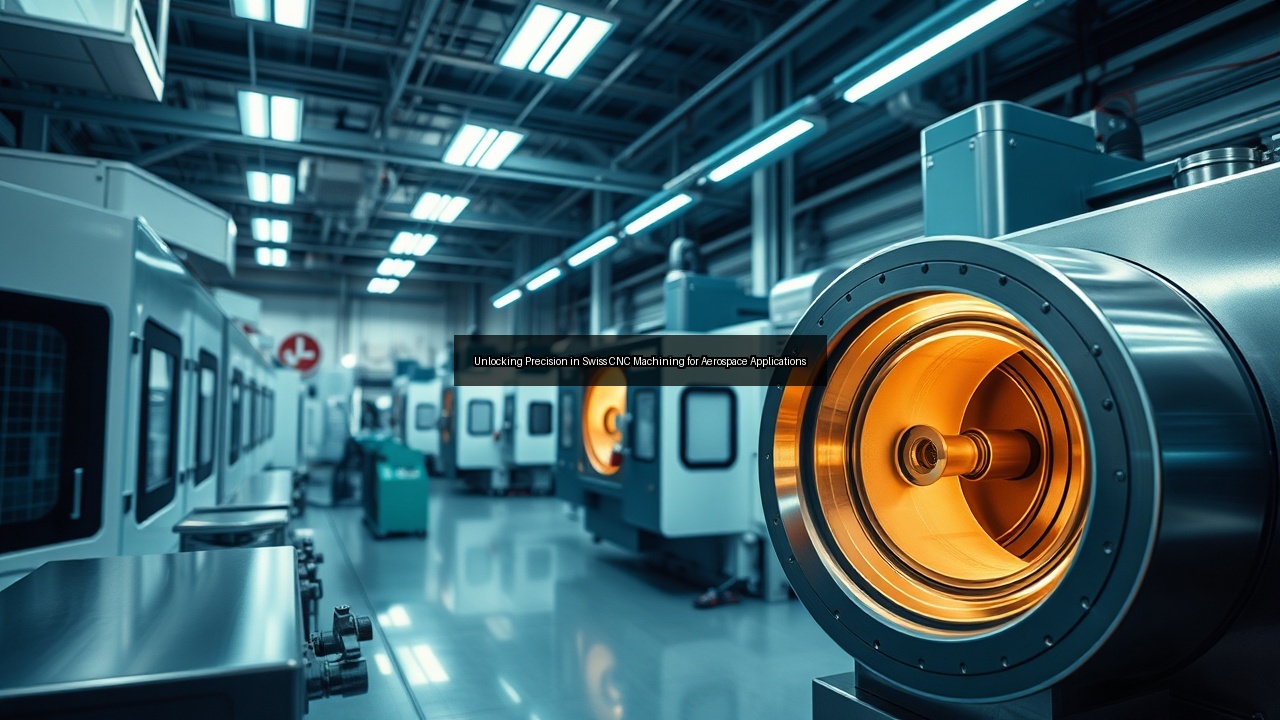
Swiss CNC lathes drive modern medical device production by delivering consistent results on complex metal components. Manufacturers rely on Swiss lathes to shape intricate parts such as surgical instruments and implantable devices from raw stock. The process begins with precise material selection followed by automated cutting sequences that maintain tight control over every dimension. CNC machines handle high volumes without sacrificing accuracy, allowing companies to meet strict regulatory standards while reducing waste. Swiss machining excels at producing small-diameter parts that fit inside diagnostic equipment and orthopedic implants. This capability supports rapid prototyping and full-scale manufacturing runs that keep pace with evolving healthcare demands. Engineers integrate Swiss lathes into existing workflows to streamline operations and shorten lead times across the supply chain.
Importance of Precision in Medical Devices
Precision determines the success of every medical device that enters clinical use. Swiss CNC machining achieves tolerances measured in microns, ensuring components fit together flawlessly during assembly. Surgeons depend on tools machined to exact specifications because even minor deviations can affect performance during procedures. CNC lathes produce smooth surface finishes that reduce friction and improve biocompatibility when parts contact tissue. Manufacturers verify each batch through rigorous inspection protocols that confirm dimensions stay within required limits. Swiss lathes maintain this level of accuracy across long production runs, which lowers rejection rates and supports consistent quality. Medical device companies gain a competitive edge when they adopt Swiss machining to meet the exacting standards demanded by global health authorities.
How Swiss CNC Machining Enhances Production
Swiss CNC machining enhances production by combining multiple operations into a single setup on one machine. Operators load bar stock and the lathe performs turning, drilling, and milling without manual intervention. This integrated approach reduces handling time and minimizes errors that occur during part transfers. CNC machines equipped with Swiss technology handle diameters as small as 0.5 millimeters while maintaining stability through the guide bushing system. Production speeds increase because the machine completes complex geometries in fewer steps than conventional equipment. Manufacturers report higher throughput when they deploy Swiss lathes for medical components that require both outer contours and internal features. The result is shorter cycle times and greater flexibility to switch between different part designs on the same equipment.
Key Advantages of Swiss CNC Machining Technologies
High Tolerances for Critical Components
Swiss CNC lathes hold tolerances as tight as ±0.0001 inches on critical medical components. This precision proves essential for parts such as catheter tips, bone screws, and valve housings that must perform reliably inside the body. The guide bushing supports the workpiece close to the cutting tool, eliminating deflection during machining. CNC machines repeat these tight tolerances across thousands of cycles without drift. Quality control teams measure finished parts with coordinate measuring machines to verify compliance before shipment. Swiss machining reduces the need for secondary finishing operations because the initial cut already meets surface and dimensional requirements. Medical device manufacturers achieve higher yields and lower scrap costs when they specify Swiss lathes for high-tolerance work.
Versatility in Geometries and Diameters
Swiss lathes machine a wide range of geometries and diameters from the same setup. Operators produce stepped shafts, threads, and cross-drilled holes in one continuous cycle. CNC machining centers equipped with Swiss technology handle both long slender parts and short complex profiles without special fixtures. The ability to work with diameters from under one millimeter up to several inches gives manufacturers flexibility across product lines. Swiss lathes accommodate various metals including titanium, stainless steel, and cobalt-chrome alloys common in medical applications. Tool changes occur automatically, allowing the machine to switch between roughing and finishing passes without stopping production. This versatility supports rapid design iterations while maintaining consistent output quality.
Speed and Efficiency in Production
Swiss CNC machining delivers faster cycle times through simultaneous operations and optimized tool paths. The machine performs turning on the main spindle while the sub-spindle handles secondary features, cutting total processing time in half compared with traditional lathes. CNC machines maintain high spindle speeds that suit small-diameter medical components without vibration. Automated bar feeders keep the lathe running continuously during lights-out manufacturing shifts. Manufacturers track overall equipment effectiveness and report gains when Swiss lathes replace older equipment. Reduced setup times between jobs further improve efficiency because tool offsets and programs store digitally for quick recall. The combined effect raises daily output while preserving the precision required for medical devices.
Technological Innovations in Swiss CNC Lathes
Integration of Advanced CAD Software
Modern Swiss CNC lathes integrate directly with advanced CAD software that converts three-dimensional models into machine instructions. Engineers import part files and simulate tool paths before any metal is cut. This digital workflow eliminates manual programming errors and shortens development cycles for new medical devices. CNC machines receive updated parameters through networked software that tracks tool wear and adjusts feeds automatically. Swiss machining benefits from simulation features that detect collisions and optimize cutting strategies for complex geometries. Manufacturers store revision histories within the software, ensuring traceability across production batches. The seamless connection between design and machining accelerates time-to-market while maintaining strict control over every dimension.
Automated Tools for Enhanced Performance
Automated tool changers and live tooling heads expand the capabilities of Swiss lathes beyond basic turning. The machine swaps drills, end mills, and threaders without operator intervention, enabling complete part production in one cycle. CNC machines monitor tool life through sensors and replace worn inserts before quality drops. Swiss lathes equipped with these systems maintain consistent performance during extended runs of medical components. Automated bar loading and part unloading further reduce labor requirements and support 24-hour operation. Manufacturers program sequences that combine multiple tools to create intricate features such as slots and undercuts on a single setup. The result is higher productivity and fewer interruptions in medical device manufacturing lines.
Quality Control Mechanisms for Consistency
Built-in quality control mechanisms on Swiss CNC lathes monitor dimensions in real time during machining. Probes measure critical features after each operation and feed data back to the control system for automatic corrections. CNC machines log every measurement to create detailed process records required for medical device validation. Swiss machining incorporates in-process gauging that detects deviations before parts leave the machine. Manufacturers apply statistical process control to these data streams to maintain capability indices above established thresholds. Automated alerts notify operators when trends approach tolerance limits, allowing proactive adjustments. This closed-loop approach ensures every machined component meets the same high standards demanded by the medical industry.
Applications of Swiss CNC Machining in Various Industries
Medical Devices
Swiss CNC machining produces the majority of precision components found in medical devices today. Lathes create everything from endoscopic tools to pacemaker housings with the required surface integrity and dimensional accuracy. Manufacturers choose Swiss lathes because they handle the small diameters and complex internal features typical of implants and surgical instruments. CNC machines run validated programs that satisfy FDA documentation needs while delivering parts ready for sterilization. Swiss machining supports both prototype quantities and high-volume production without compromising quality. Medical companies continue to adopt this technology to meet growing demand for minimally invasive devices that require ever-smaller, more intricate parts.
Aerospace Components
Aerospace manufacturers apply Swiss CNC machining to produce critical fittings, fasteners, and sensor housings that must withstand extreme conditions. The same tight tolerances and surface finishes required for medical devices prove valuable in flight control systems and fuel delivery components. CNC lathes machine lightweight alloys and high-strength steels into parts with complex external profiles and internal passages. Swiss lathes maintain stability on long, slender aerospace parts through the guide bushing system. Automated tool management ensures consistent results across production batches destined for aircraft and spacecraft. The technology supports the aerospace sector’s need for traceability and repeatability under rigorous certification standards.
Oil and Gas Industry
Oil and gas companies use Swiss CNC machining to create downhole tools, valve seats, and precision connectors that operate under high pressure. CNC machines produce parts from corrosion-resistant alloys that survive harsh environments encountered in drilling and extraction. Swiss lathes deliver the smooth sealing surfaces and exact thread forms needed for reliable equipment performance. Manufacturers machine small-diameter components such as nozzles and bushings that fit inside larger assemblies. The speed and repeatability of Swiss machining reduce lead times for replacement parts that keep operations running. Quality control data generated during production supports the documentation requirements common in energy sector projects.
Future Trends in Swiss CNC Machining
Emerging Technologies in CNC Machines
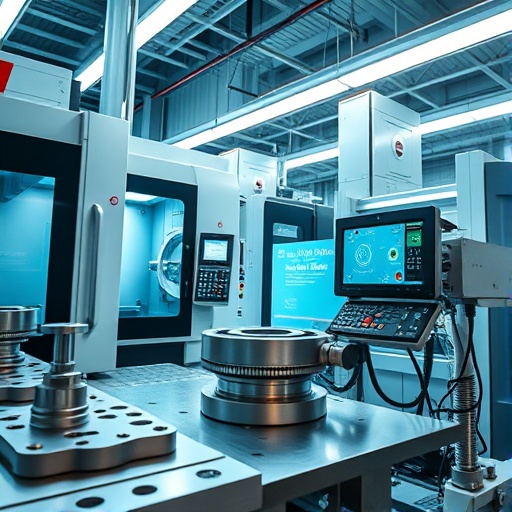
Emerging technologies continue to expand what Swiss CNC machines can achieve in a single setup. Hybrid systems combine additive and subtractive processes, allowing manufacturers to build features and then machine them to final dimensions without moving the part. CNC machines incorporate artificial intelligence that optimizes cutting parameters based on real-time sensor feedback. Swiss lathes now feature higher horsepower spindles and faster axis accelerations that shorten cycle times further. Manufacturers test new tool coatings and geometries that extend life when machining difficult medical-grade metals. These advancements position Swiss machining as the preferred solution for increasingly complex device designs.
Sustainability in Manufacturing Practices
Sustainability drives changes in Swiss CNC machining practices across the manufacturing sector. Machines now include energy-efficient motors and regenerative braking systems that lower power consumption during operation. Manufacturers recycle metal chips generated during machining and reuse cutting fluids through advanced filtration. Swiss lathes support near-net-shape starting stock that reduces overall material waste compared with older methods. CNC machines track energy use and material utilization through integrated software, helping companies meet environmental reporting goals. Medical device producers adopt these practices to align production with corporate responsibility targets while maintaining the precision their products require.
The Role of Automation in Future Production
Automation will define future Swiss CNC machining production environments. Robotic cells load and unload machines while automated guided vehicles move finished parts to inspection stations. CNC machines communicate directly with enterprise resource planning systems to adjust schedules based on real-time demand. Swiss lathes equipped with predictive maintenance modules alert teams before failures occur, minimizing unplanned downtime. Manufacturers integrate vision systems that verify part orientation and quality without stopping the process. The continued evolution of automated Swiss machining supports higher output, lower labor costs, and improved consistency for medical devices and components across other demanding industries.