How to Eliminate Pickoff Burrs in Multi-Spindle Swiss Machining Operations
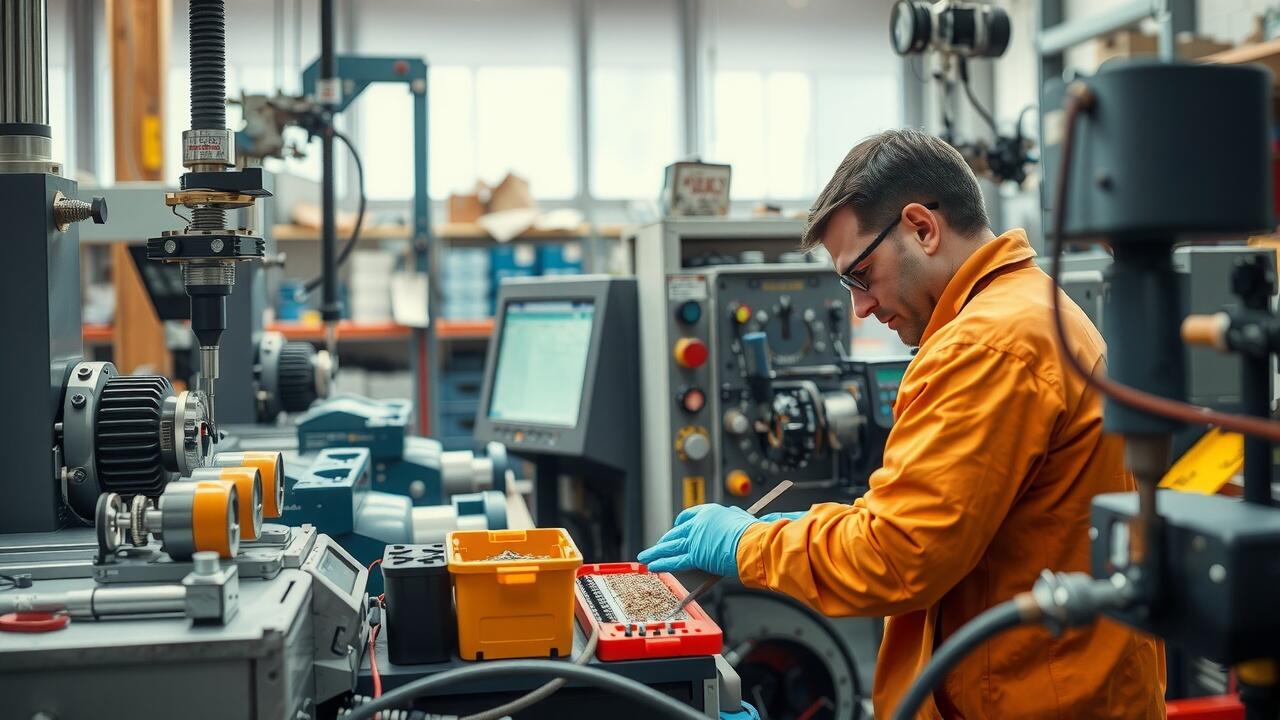
Adjusting Machine Parameters for Better Outcomes
Adjusting machine parameters plays a crucial role in minimizing burr formation during Swiss machining services. For instance, optimizing cutting speeds can significantly impact the quality of the workpiece. A study found that increasing spindle speed by 15% reduced burr formation by over 25% in specific materials like aluminum. Similarly, fine-tuning the feed rate can lead to smoother finishes, reducing the potential for burrs to form as excess material gets sheared off.
Another vital area to consider is tool selection and maintenance. Using high-quality cutting tools with appropriate coatings can enhance performance, enabling the machining process to produce cleaner edges. A consistent tool geometry helps maintain precision throughout the operation. Regularly inspecting and replacing tools as needed can prevent the onset of burrs due to wear. Implementing a monitoring system to track tool condition could also help operators stay ahead of potential issues, ensuring that production standards remain high.
What Settings Can Help Reduce Burr Formation?
To minimize burr formation during multi-spindle Swiss machining operations, adjusting the cutting speeds and feed rates can make a significant difference. For instance, maintaining optimal spindle speed according to the material type can lead to cleaner cuts. When working with stainless steel, a lower speed combined with increased feed can efficiently reduce thermal buildup, which often leads to burrs. Keeping a balance in these settings not only improves the finish but also contributes to longer tool life, allowing for more fabrications without interruptions.
Another setting to refine is the tool engagement angle. Selecting a sharper tool with a more acute angle can diminish the material's tendency to form burrs at the exit point of the cut. Switching to tools designed specifically for Swiss machining services enhances precision and reduces the occurrence of unwanted burrs. Furthermore, implementing coolant effectively lubricates the cutting process, which helps in flushing away debris that could contribute to burr formation. Adjustments in these parameters foster smoother operations and, ultimately, higher quality outcomes in your production line.
Implementing a Quality Control System
A solid quality control system can significantly minimize burr formation in multi-spindle Swiss machining operations. Regular inspections during production runs are key. For instance, utilizing visual and tactile checks ensures that any defects in real-time are identified early. Operators can quickly adjust parameters when burrs are detected, preventing further complications. Implementing standardized measurement protocols, like using calipers or specialized gauges at set intervals, allows teams to catch issues before they escalate.
Incorporating data analytics can take your quality control to the next level. For example, tracking burr incidence rates over time provides valuable insights into recurring issues, leading to targeted training and process adjustments. If Swiss machining services find that specific tooling often correlates with increased burr formation, they can refine their selection process. Teams should also document findings and adjustments to create a feedback loop, ensuring continual improvement in the machining process.
How Can Quality Checks Minimize Burr Issues?
Implementing regular quality checks plays a crucial role in reducing burr formation in multi-spindle Swiss machining operations. By setting up systematic inspections at key production phases, operators can catch potential issues before they escalate. For instance, measuring burr dimensions and analyzing surface finishes every 500 parts can help maintain tight tolerance levels. Industry standards suggest that regular quality audits can decrease defect rates by up to 15%, ensuring that the final output meets rigorous specifications.
Incorporating automated inspection tools can elevate the quality control process. These tools enhance precision and provide real-time feedback, allowing immediate adjustments in machining parameters. When swiss machining services utilize data analytics, trends related to burr formation become more visible, leading to informed decisions that prevent recurrence. Engaging operators in this quality control process not only fortifies their skills but also fosters a culture of accountability. This proactive approach significantly minimizes the risk of burr issues, ultimately improving overall operational efficiency.
Training Operators for Optimal Results
Effective training of operators directly impacts the quality of output in multi-spindle swiss machining services. Hands-on workshops can instill the practical skills necessary for identifying burr formation early in the process. For instance, using real-time examples from machining errors helps operators recognize patterns that lead to excess burrs. To take it further, incorporating simulations of machining scenarios allows operators to practice troubleshooting in a controlled environment, which elevates their readiness for actual production challenges.
Moreover, understanding the machine's settings and tooling is crucial. Operators should familiarize themselves with various cutting speeds and tool materials, as these elements can significantly influence burr generation. For example, studies show that adjusting spindle speeds by even 10% can reduce burr formation by up to 15%. Encouraging operators to share experiences and solutions creates a collaborative atmosphere for knowledge sharing, further enhancing the workforce’s capabilities. Engaging in routine training schedules ensures everyone remains updated on the latest techniques and equipment advancements, which leads to more consistent production outcomes.
What Skills Do Operators Need to Handle Burrs?
Operators working with multi-spindle Swiss machining services must develop a keen eye for detail. Recognizing the signs of potential burr formation before they even occur can save time and resources. For example, understanding the interplay of tool geometry, feed rates, and materials can help operators adjust their techniques proactively. This skillset allows them to implement immediate solutions, such as modifying tool paths or switching to different cutting tools based on the material being machined.
Moreover, hands-on experience is crucial for troubleshooting burr issues effectively. Knowledge of different deburring methods, including manual and automated processes, equips operators to choose the best option for the job. Familiarity with industry standards, like ISO 2768 for dimensional tolerances, further enhances their ability to meet quality benchmarks. Regular training sessions that cover not just the machinery but also the nuances of burr management ensure operators are always prepared for challenges on the shop floor.
- Understanding the principles of burr formation and prevention
- Familiarity with various deburring tools and techniques
- Ability to analyze and interpret machining parameters
- Knowledge of safety standards and best practices in the workplace
- Strong problem-solving skills for on-the-spot adjustments
- Effective communication skills for teamwork and reporting issues
- Willingness to continuously learn and adapt to new technologies
FAQS
What are pickoff burrs, and why are they a problem in machining?
Pickoff burrs are small, unwanted metal protrusions that form during machining. They can affect the quality and performance of the finished part, leading to increased production time and costs if not managed properly.
How can adjusting machine parameters help reduce burr formation?
By fine-tuning settings like cutting speed, feed rate, and tool path strategies, you can minimize the chances of burrs forming. This is because proper settings help achieve cleaner cuts and better chip removal.
What kind of quality control system should I implement?
A robust quality control system should include regular inspections and monitoring of the machining process. This means checking for burrs at various stages and using tools to measure tolerances, ensuring that any issues are identified and addressed promptly.
How important is operator training in reducing burrs during machining?
Extremely important! Well-trained operators can recognize the signs of burr formation early and know how to adjust machine settings or modify their techniques to prevent them. Their skills directly impact the quality of the finished product.
Are there any specific tools or techniques that help eliminate burrs?
Yes! Tools like deburring knives, brushes, or specialized machines can be used after machining to clean up burrs. Techniques such as using coolant effectively during machining can also help keep burrs at bay.