Innovations in Track Welding Machines That Boost Efficiency
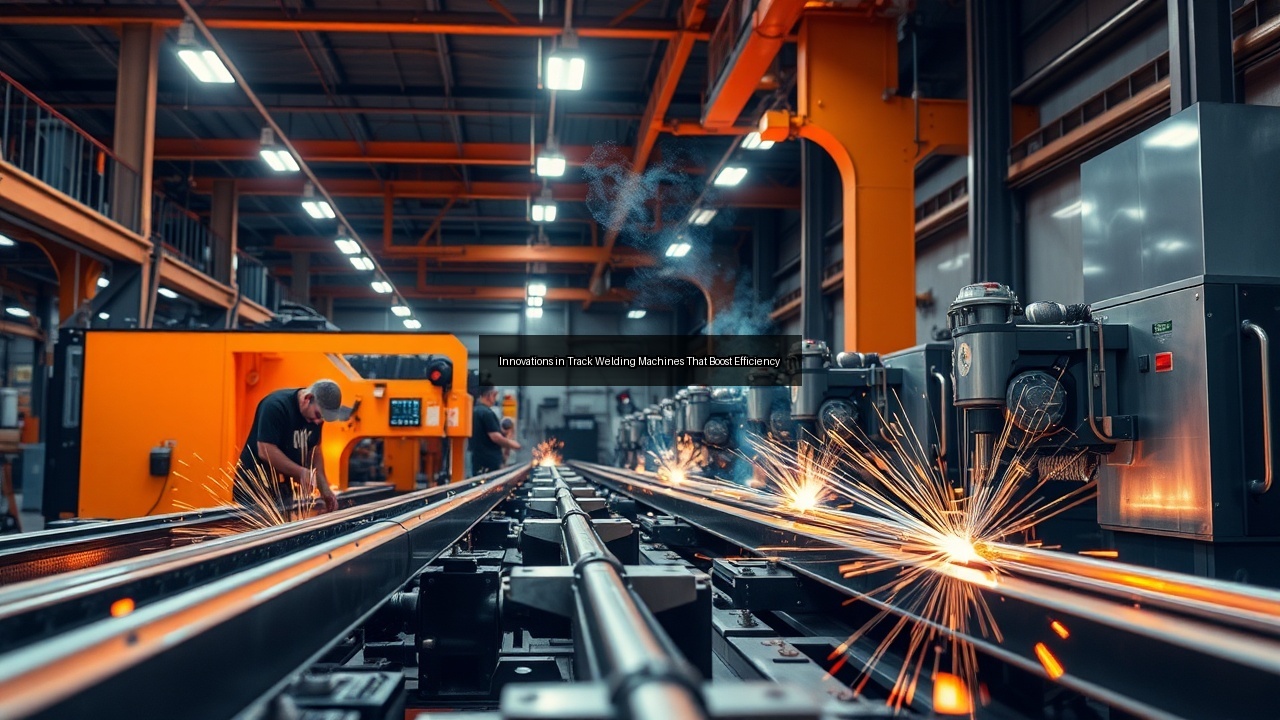
Advancements in Track Welding Technology
Overview of Track Welding Machines
Track welding machines play a crucial role in the construction and maintenance of railways, ensuring that tracks remain safe and reliable over time. These machines are specifically designed for the precise welding of rail segments, providing a continuous and durable connection that withstands heavy loads and harsh environmental conditions. Unlike traditional welding methods, track welders offer enhanced mobility and efficiency, allowing operators to perform welding tasks directly on-site. This capability reduces the need for transporting materials to a stationary welding setup, ultimately saving time and costs. The design of modern track welding machines includes advanced features that improve ease of use, accuracy, and overall effectiveness in the welding process, making them indispensable in the rail industry.
Key Innovations in Welding Machines
The landscape of track welding technology has evolved significantly with several key innovations that enhance performance. One notable advancement is the integration of intelligent control systems in welding machines, which allow for real-time monitoring and adjustments during the welding process. These systems increase the precision of welds, ensuring that each connection meets stringent quality standards. Additionally, improvements in welding power supply technology have led to more consistent and reliable arc stability, critical for producing high-quality welds. Innovations also include lightweight materials used in the construction of machines, enhancing portability without compromising durability. Manufacturers like Gullco International consistently push the boundaries of track welding technology, developing machines equipped with features that address the evolving needs of the industry.
The Role of Oscillators in Enhanced Welding Efficiency
Oscillators represent a significant technological advancement in the realm of track welding. These devices enhance the welding process by creating a controlled oscillation of the welding arc, which distributes heat evenly across the weld area. This technique not only improves the quality of the weld but also speeds up the overall process. The precise control offered by oscillators allows welders to achieve deeper penetration and better fusion of materials, resulting in stronger joints. Furthermore, oscillation helps to reduce the risk of defects in the weld, such as cracks or incomplete fusion, leading to a more reliable connection between rail segments. The implementation of oscillators in track welding machines exemplifies how technology can optimize welding efficiency, resulting in higher productivity and lower rates of rework.
Improving Efficiency with Modern Features
Integration of Ceramic Electrodes
The use of ceramic electrodes in track welding machines marks a significant step forward in welding technology. Ceramic electrodes offer several advantages over traditional metal electrodes, including improved thermal stability and resistance to wear. This durability translates to longer electrode life, reducing the frequency of replacements and maintenance. In addition, ceramic electrodes provide a more consistent arc, which is essential for achieving high-quality welds. The stability of the arc minimizes fluctuations that can lead to defects, ensuring a more uniform weld bead. Furthermore, the integration of ceramic electrodes enables operators to achieve higher welding speeds, which contributes to overall efficiency in production. As a result, welding machines equipped with ceramic electrodes not only enhance the quality of welds but also lower operational costs, making them a worthwhile investment for companies focused on maximizing productivity.
Benefits of Automated Welding Machines
Automated welding machines have transformed the track welding industry by enhancing precision and productivity. These machines minimize human error by utilizing advanced robotics and software, allowing for consistent and repeatable welding processes. Operators can program automated machines to perform a range of welding tasks without constant supervision, freeing up skilled welders for other critical responsibilities. Additionally, automation reduces the overall time required to complete welding tasks, which directly correlates with increased project efficiency. The integration of sensors and monitoring systems also allows for real-time adjustments, ensuring that each weld meets the necessary specifications. Companies that invest in automated track welders can expect not only improved quality but also a significant reduction in labor costs, ultimately leading to higher profit margins.
How Advanced Track Welders Reduce Operational Costs
Advanced track welders contribute to lower operational costs through a combination of efficiency, durability, and technological integration. By employing modern features such as oscillators and ceramic electrodes, these machines enhance the quality and speed of welding processes, which leads to fewer defects and rework. Reducing the likelihood of repair work saves both time and money, machine for track welding allowing resources to be allocated more effectively. Furthermore, many advanced track welding machines are designed to be energy-efficient, consuming less power during operation. This efficiency not only lowers energy bills but also aligns with environmentally sustainable practices. The long-term savings resulting from fewer repairs, lower energy costs, and reduced labor requirements make advanced track welders an attractive option for businesses aiming to maximize their return on investment.
Maximizing Return on Investment in Welding Equipment
Evaluating the Cost-Effectiveness of Track Welding Machines
When considering the purchase of track welding machines, evaluating their cost-effectiveness is paramount. The initial investment in advanced welding equipment can be substantial, but the long-term benefits often outweigh these upfront costs. Factors to consider include the machine’s efficiency, durability, and the quality of welds produced. Machines that incorporate cutting-edge technologies, such as oscillators and automated features, typically deliver superior performance, leading to decreased operational costs over time. Additionally, companies should assess the potential for increased productivity. A more efficient welding machine can significantly reduce project timelines, allowing businesses to take on more projects within the same timeframe. This increase in capacity can lead to higher revenues and improved market competitiveness. Analyzing these aspects helps organizations determine the true value of investing in quality track welding machines.
Long-Term Benefits of Upgrading to Advanced Track Welders
Upgrading to advanced track welders offers numerous long-term advantages that extend beyond immediate cost savings. Firstly, modern machines are designed with improved safety features that protect operators, reducing the risk of workplace accidents and associated costs. Enhanced safety translates to lower insurance premiums and a more productive work environment. Additionally, advanced track welding equipment often comes with better warranties and support services, ensuring that businesses can maintain their operations with minimal downtime. The integration of smart technology also facilitates easier maintenance and troubleshooting, further reducing operational interruptions. Finally, investing in state-of-the-art welding machines positions companies for future growth, as they can adapt to emerging trends and technologies in the welding industry. Overall, upgrading to advanced track welders not only improves current operations but also lays the groundwork for sustained success in the competitive landscape of rail construction and maintenance.