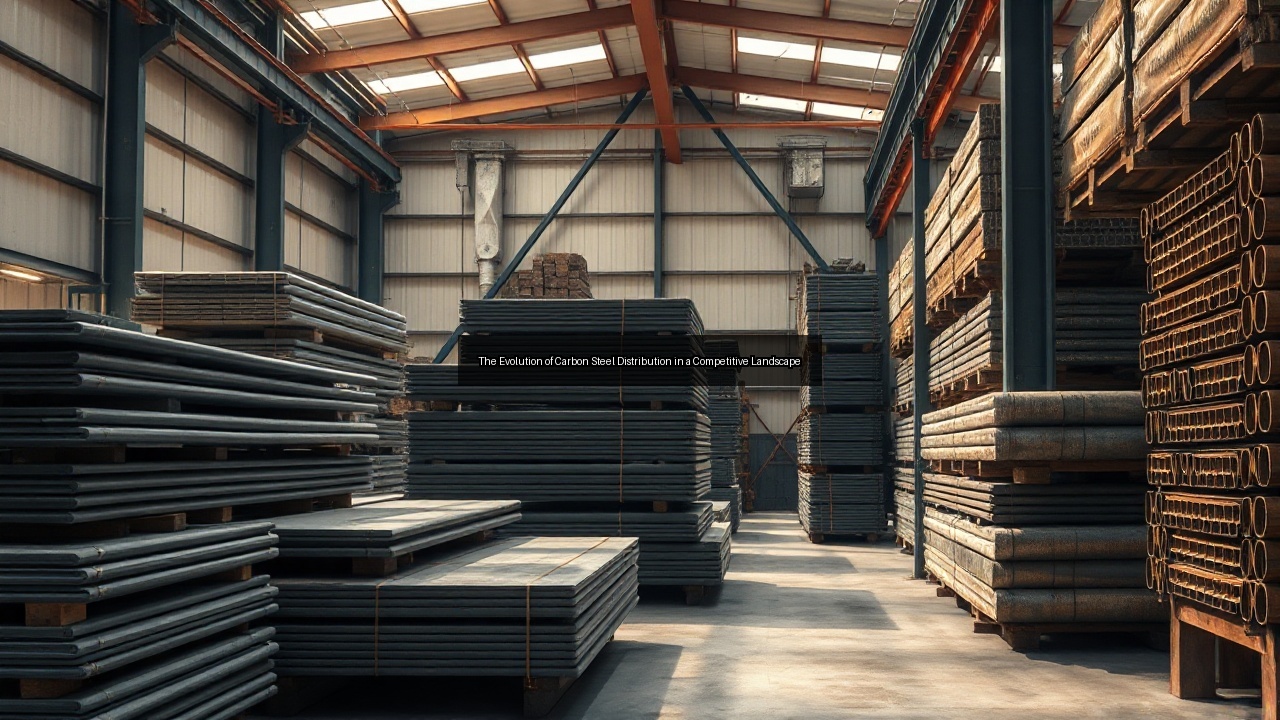
The Evolution of Carbon Steel Distribution in a Competitive Landscape
Understanding Carbon Steel: Types and Applications
Overview of Carbon Steel
Carbon steel is a vital material in various industries, known for its versatility and strength. It primarily contains carbon, with varying percentages influencing its properties and uses. Carbon steel is categorized into three main types: low, medium, and high carbon steel, each serving unique applications. The popularity of carbon steel stems from its ability to combine strength and ductility, making it ideal for manufacturing a wide array of components, from structural beams to automotive parts. As a carbon steel distributor, understanding these variations and their applications ensures informed decisions for customers seeking specific solutions.
Low, Medium, and High Carbon Steel Characteristics
Low carbon steel, containing up to 0.3% carbon, offers excellent ductility and weldability, making it suitable for applications like automotive body panels and structural components. Medium carbon steel, with carbon content between 0.3% and 0.6%, balances strength and toughness, making it ideal for manufacturing gears, axles, and railway tracks. High carbon steel, containing over 0.6% carbon, exhibits high hardness and wear resistance, making it perfect for cutting tools and industrial machinery. Each type caters to specific industry needs, and the role of a carbon steel distributor becomes critical in matching the right steel type with client requirements.
The Role of Alloy Steel in Carbon Steel Distribution
Alloy steel incorporates additional elements like manganese, nickel, or chromium, enhancing specific characteristics such as strength, toughness, and corrosion resistance. These enhancements make alloy steel a favored choice in demanding applications, such as aerospace, automotive, and oil and gas industries. Carbon steel suppliers often provide alloy steel options to meet the diverse needs of their clientele. By understanding the nuances of both carbon and alloy steel, distributors can better serve industries requiring specialized materials, thereby solidifying their position in a competitive landscape.
The Competitive Landscape of Carbon Steel Distribution
Key Players in the Carbon Steel Market
The carbon steel market features a mix of established companies and emerging players, each vying for market share. Key players include major steel manufacturers and specialized distributors who focus exclusively on carbon steel products. These companies often differentiate themselves through product quality, pricing strategies, and customer service. The competitive landscape also includes global suppliers who leverage economies of scale to offer lower prices, challenging local distributors. Understanding the strengths and weaknesses of these players allows a carbon steel distributor to position itself effectively, ensuring it meets the evolving demands of the market.
Strategies Employed by Carbon Steel Distributors
Carbon steel distributors employ various strategies to maintain a competitive edge. Building strong relationships with manufacturers and end-users fosters loyalty and trust, enhancing customer retention. Offering a diverse product range, including low, medium, and high carbon steel, as well as alloy options, allows distributors to cater to varying industry demands. Implementing advanced inventory management systems ensures efficient stock levels, minimizing disruptions in supply. Furthermore, investing in marketing and branding helps distinguish distributors within the crowded marketplace, attracting new clients seeking reliable sources for carbon steel products.
Challenges Faced by Steel Suppliers in a Competitive Environment
Steel suppliers encounter several challenges in a competitive environment. Fluctuating raw material prices impact profit margins, compelling distributors to adapt pricing strategies dynamically. Additionally, supply chain disruptions, whether due to geopolitical factors or logistical issues, can hinder timely deliveries, affecting customer satisfaction. The shift towards sustainability demands that suppliers adopt greener practices in production and distribution, adding complexity to operations. Finally, evolving customer expectations, including the demand for customized solutions, require distributors to remain agile and responsive to market changes, ensuring they meet the needs of diverse industries.
Innovative Trends in Carbon Steel Supply Chain Management
Impact of Technology on Carbon Steel Distribution
Technology revolutionizes carbon steel distribution, enhancing efficiency and accuracy throughout the supply chain. Automation in warehousing and inventory management reduces human error and optimizes stock levels, ensuring timely fulfillment of orders. Advanced tracking systems provide real-time visibility into shipments, allowing distributors to manage logistics more effectively. Moreover, data analytics enables suppliers to forecast demand trends accurately, allowing for better inventory planning. Embracing these technological advancements not only improves operational efficiency but also enhances customer engagement, as clients benefit from faster responses and higher service levels.
Sustainability Practices in Carbon Steel Supply Chains
Growing environmental concerns compel carbon steel distributors to adopt sustainability practices. Implementing recycling programs for scrap metal reduces waste and lowers production costs. Many distributors are exploring alternative energy sources and eco-friendly manufacturing processes to minimize their carbon footprint. Collaborating with suppliers that prioritize sustainable practices strengthens the entire supply chain. By promoting these efforts, distributors can appeal to environmentally conscious clients who prioritize sustainability in their purchasing decisions. This not only enhances corporate reputation carbon steel products distributor but also aligns with global trends toward greener industry standards.
The Importance of Transportation and Infrastructure for Steel Distribution
Transportation and infrastructure play a critical role in carbon steel distribution. Efficient logistics networks ensure timely delivery, vital for maintaining competitive advantage. Distributors must invest in reliable transportation solutions, whether through partnerships with logistics providers or developing their fleets. Infrastructure quality, including roads and railways, directly affects transportation costs and delivery times. As urbanization continues and infrastructure projects expand, carbon steel distributors must adapt to changing logistics demands. By optimizing transportation strategies, suppliers can enhance service levels, ensuring customer satisfaction and loyalty in an increasingly competitive market.
Future Outlook for Carbon Steel Distributors
Emerging Markets for Carbon Steel Products
Emerging markets present significant opportunities for carbon steel distributors. Regions experiencing rapid industrialization, such as Southeast Asia and parts of Africa, show increased demand for carbon steel in construction and manufacturing. Distributors can capitalize on this growth by establishing local partnerships and supply chains that cater to these markets. Additionally, the expansion of renewable energy projects creates further demand for durable steel products, including high-quality carbon steel. By identifying and targeting these emerging markets, distributors can position themselves for long-term success and diversification in their offerings.
Shifts in Demand: Construction and Infrastructure Trends
The construction and infrastructure sectors drive significant demand for carbon steel. As urban centers expand, the need for robust materials in building projects increases. Carbon steel distributors must stay ahead of these trends, adjusting their inventories to align with the growing demand for materials like steel pipes and sheet metal. The push for infrastructure improvements, including bridges, roads, and public transport systems, further supports this trend. By strategically aligning their product offerings with current and future construction demands, carbon steel suppliers can ensure they meet the evolving needs of the market while maximizing profitability.
The Role of Welded Steel Pipes in Future Markets
Welded steel pipes play an essential role in various applications, including construction, plumbing, and energy. Their strength, durability, and versatility make them a staple in the carbon steel product lineup. As industries increasingly prioritize efficient and sustainable solutions, the demand for welded steel pipes is expected to grow. Carbon steel distributors must invest in high-quality production processes and maintain compliance with industry standards to meet this demand. By focusing on the development and distribution of welded steel products, suppliers can tap into lucrative markets, reinforcing their position in the competitive landscape.